The Enduring Game: How Bridge Conquered the World
In an era when attention spans are measured in seconds and entertainment is delivered through screens in bite-sized fragments, one card game has defied obsolescence for nearly three centuries. Bridge—in its various incarnations from whist to contract—has persisted not merely as a pastime but as a proving ground for strategy, partnership, and the peculiar human desire to outthink an opponent with nothing more than 52 cards and a sharp mind.
The Foundation: Edmond Hoyle and Whist
The game's origins trace back to 1742, when Edmond Hoyle published his seminal work, "A Short Treatise on Whist," establishing rules that would echo through generations. But bridge as we know it today didn't arrive fully formed from some gentleman's club in Georgian England. It evolved, adapted, and ultimately transformed into something far more sophisticated than its ancestors could have imagined.
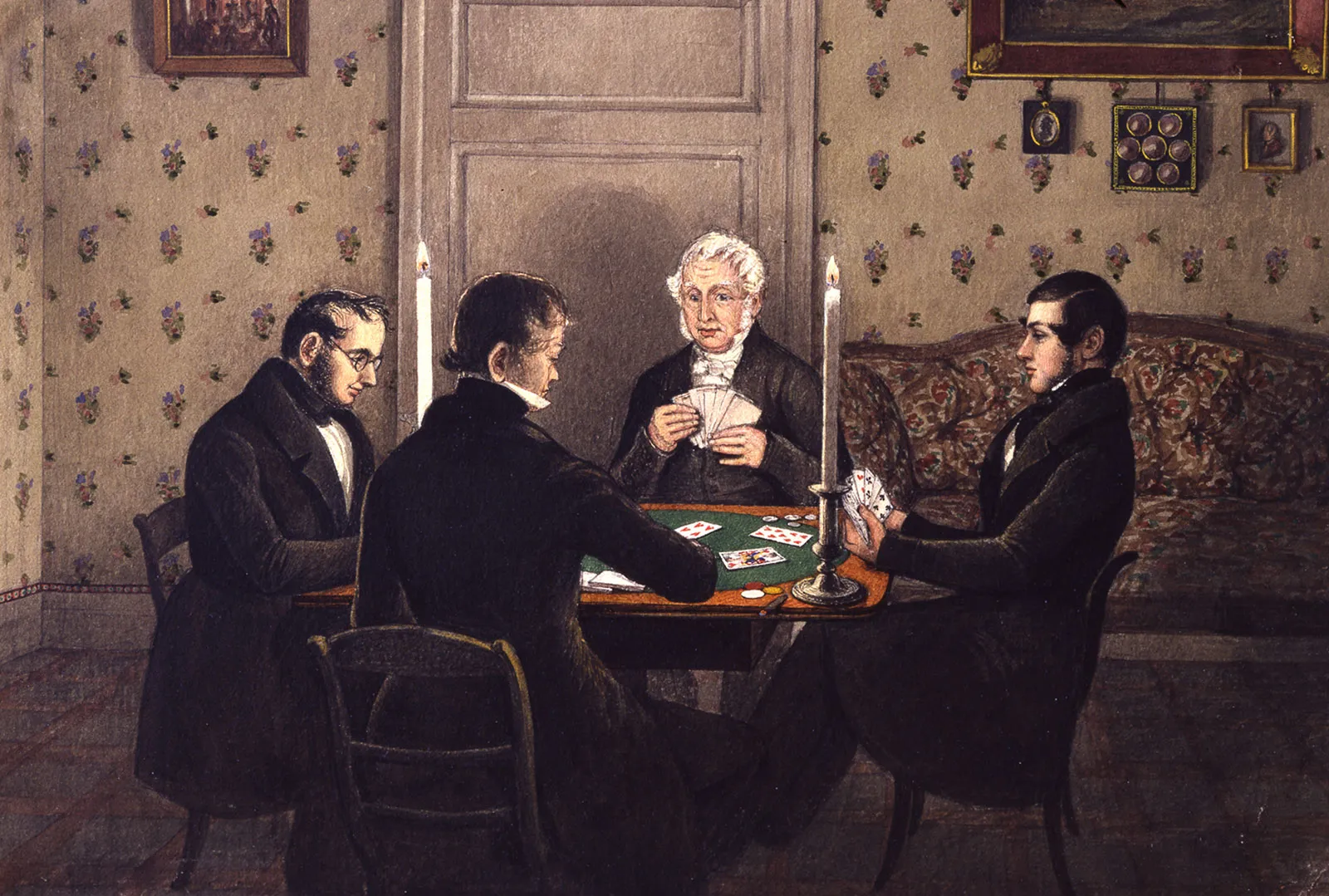
Bridge's direct ancestor is Whist, a trick-taking game that became immensely popular in England during the 17th and 18th centuries. Whist was played by four players in two partnerships, with a standard 52-card deck. The game involved bidding, trump suits, and strategic play—elements that would later define bridge.
The Shift to Skill: Duplicate Bridge
By 1857, Henry Jones Cavendish had already introduced duplicate bridge in London, shifting the game's emphasis from the luck of the deal to pure skill. The first interclub match followed in Philadelphia in 1883. The infrastructure for serious competition was falling into place.
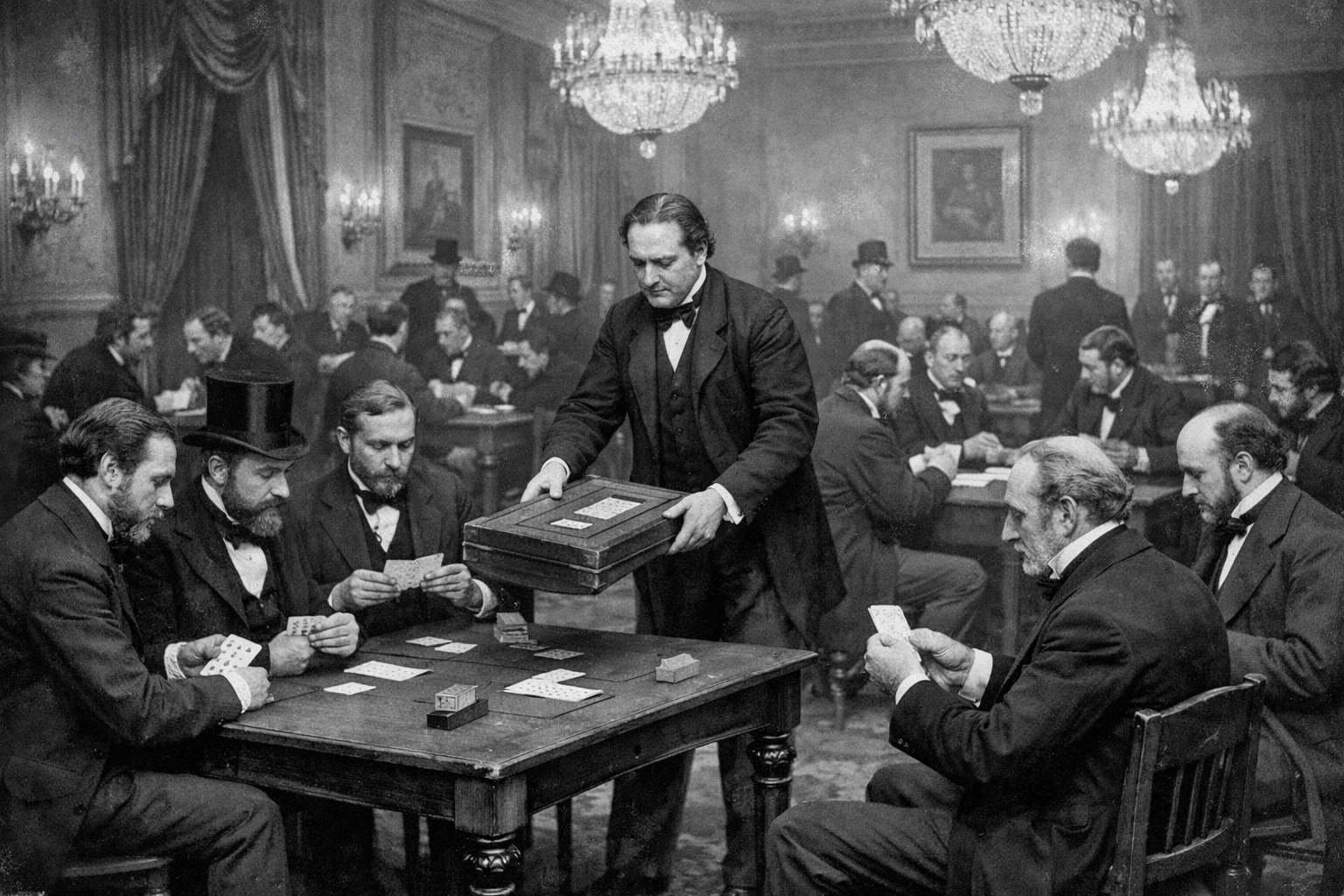
This wasn't just a wealthy man's idle amusement. The game was evolving into something that would democratize competitive card play, moving beyond the drawing rooms of the elite to become accessible to players from all walks of life.
The Crucial Turning Point: October 1925
The crucial turning point came in October 1925, aboard the cruise ship Finland. Harold Stirling Vanderbilt—yes, that Vanderbilt, heir to a railroad fortune—found himself bored with auction bridge and decided to tinker with the rules. What emerged from that transatlantic voyage was contract bridge, a game that added layers of strategy through its revolutionary scoring system. Suddenly, boldness was rewarded, caution penalized, and the psychological dimension deepened considerably.
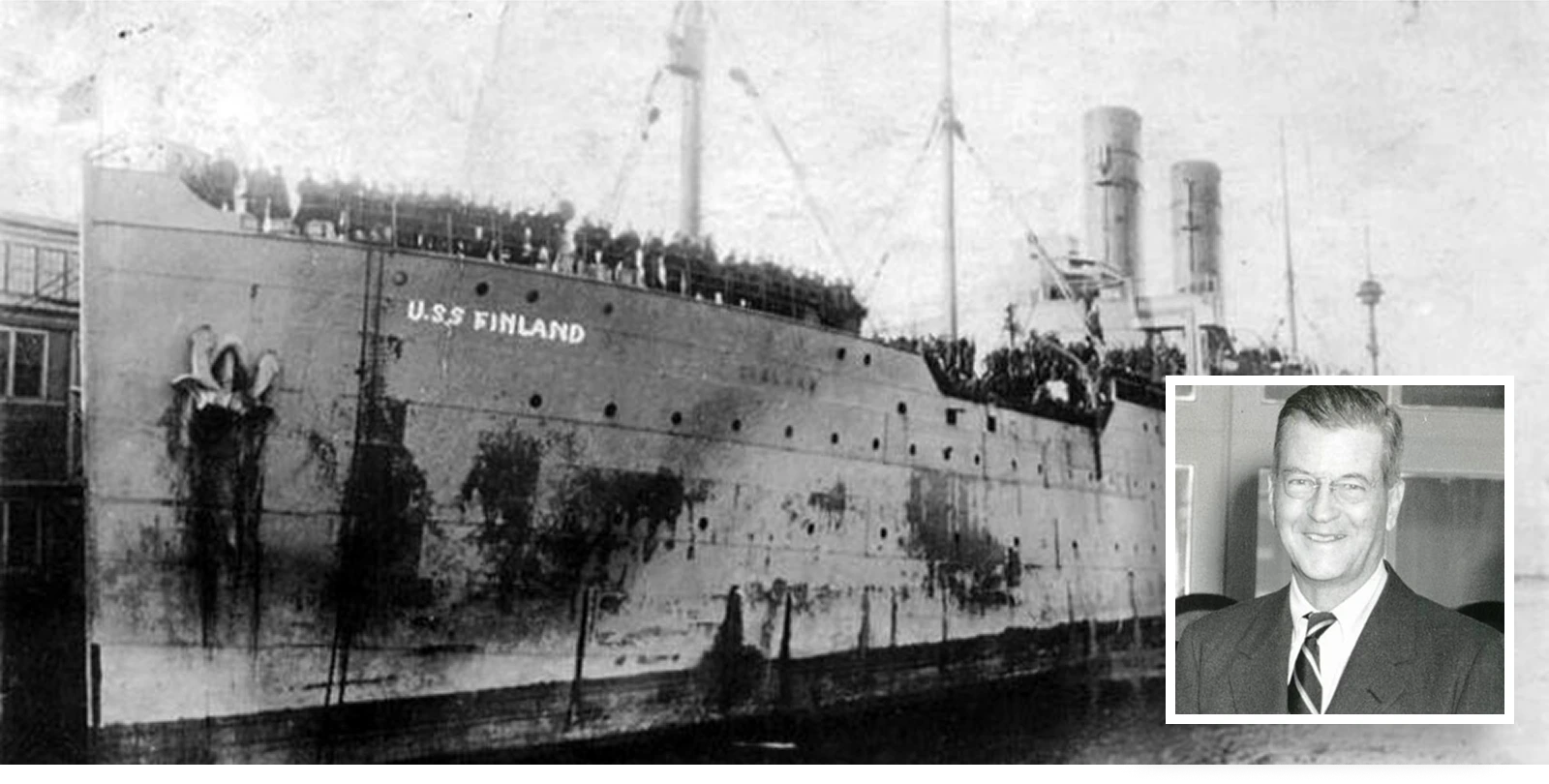
This wasn't just a wealthy man's idle amusement. Vanderbilt had inadvertently created a game that would democratize competitive card play. The scoring innovations he developed included vulnerability, contract scoring, game and slam bonuses, and doubling mechanisms—all of which transformed bridge from a simple pastime into a complex mental sport.
"What emerged from that transatlantic voyage was contract bridge, a game that added layers of strategy through its revolutionary scoring system."
The Bridge Battle of the Century (1931)
Then came the spectacle. In 1931, the so-called "Bridge Battle of the Century" pitted Ely Culbertson against Sidney Lenz in a challenge match that captured public imagination the way a heavyweight boxing match might. Competing bidding systems clashed across green felt tables, newspapers covered the matches blow by blow, and bridge established itself not just as a game but as a legitimate intellectual sport.
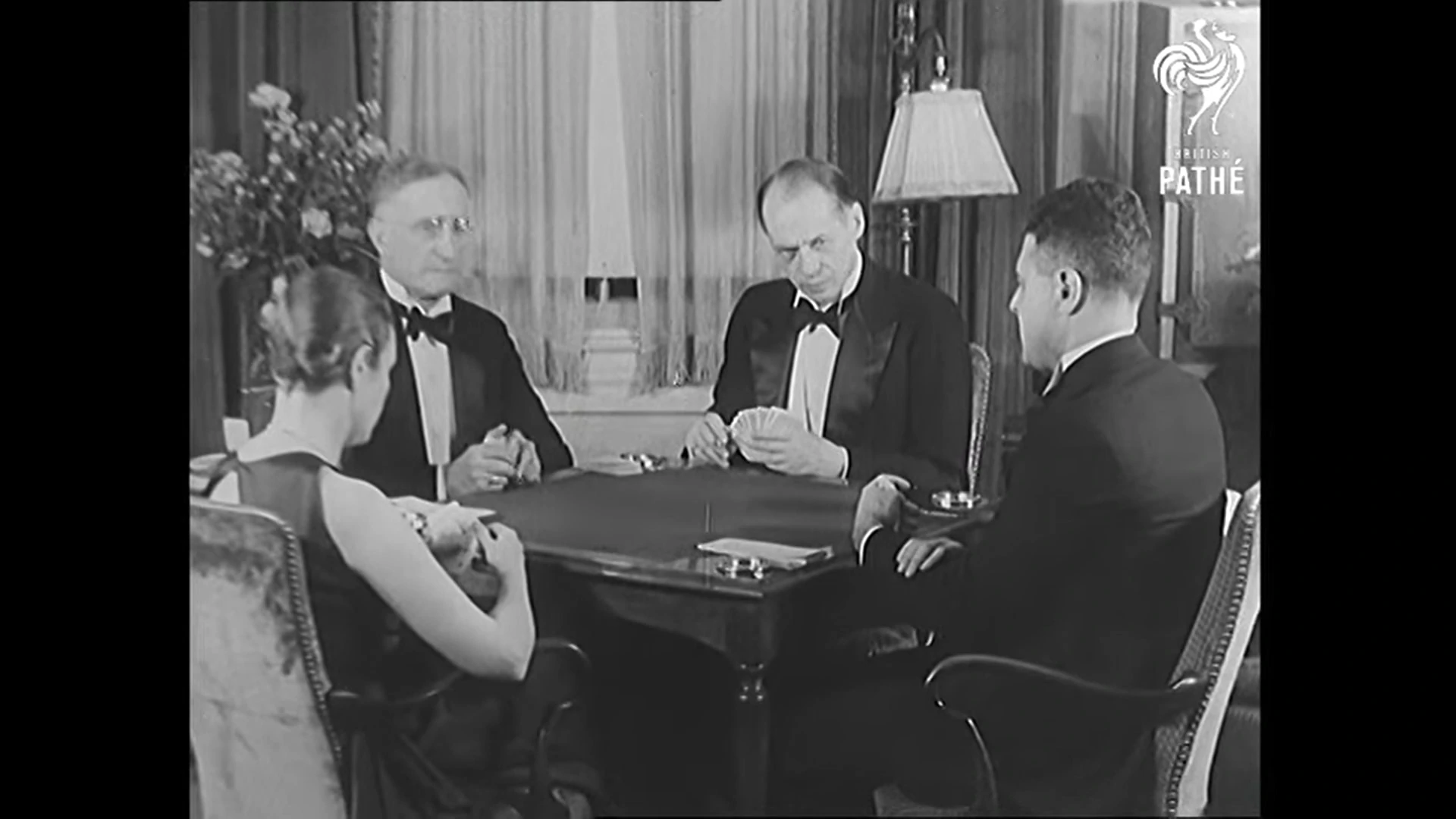
The battle resolved more than a rivalry between two men—it ensured duplicate bridge would become the standard for serious play. This period marked the golden age of bridge, with millions of players worldwide. Bridge columns appeared in newspapers, bridge clubs flourished, and the game became a staple of social gatherings.
Ely Culbertson
A master promoter who popularized bridge through books, tournaments, and media appearances. His victory in the Bridge Battle of the Century cemented his legacy.
Sidney Lenz
A formidable opponent whose challenge match against Culbertson brought bridge into the public spotlight and established it as a serious competitive sport.
The Organizational Machinery
The organizational machinery followed naturally. The American Contract Bridge League emerged in 1937, initially headquartered in New York before migrating south to Memphis and eventually Horn Lake, Mississippi. The World Bridge Federation arrived in 1948, codifying international play. What began in smoke-filled parlors had become a global institution.
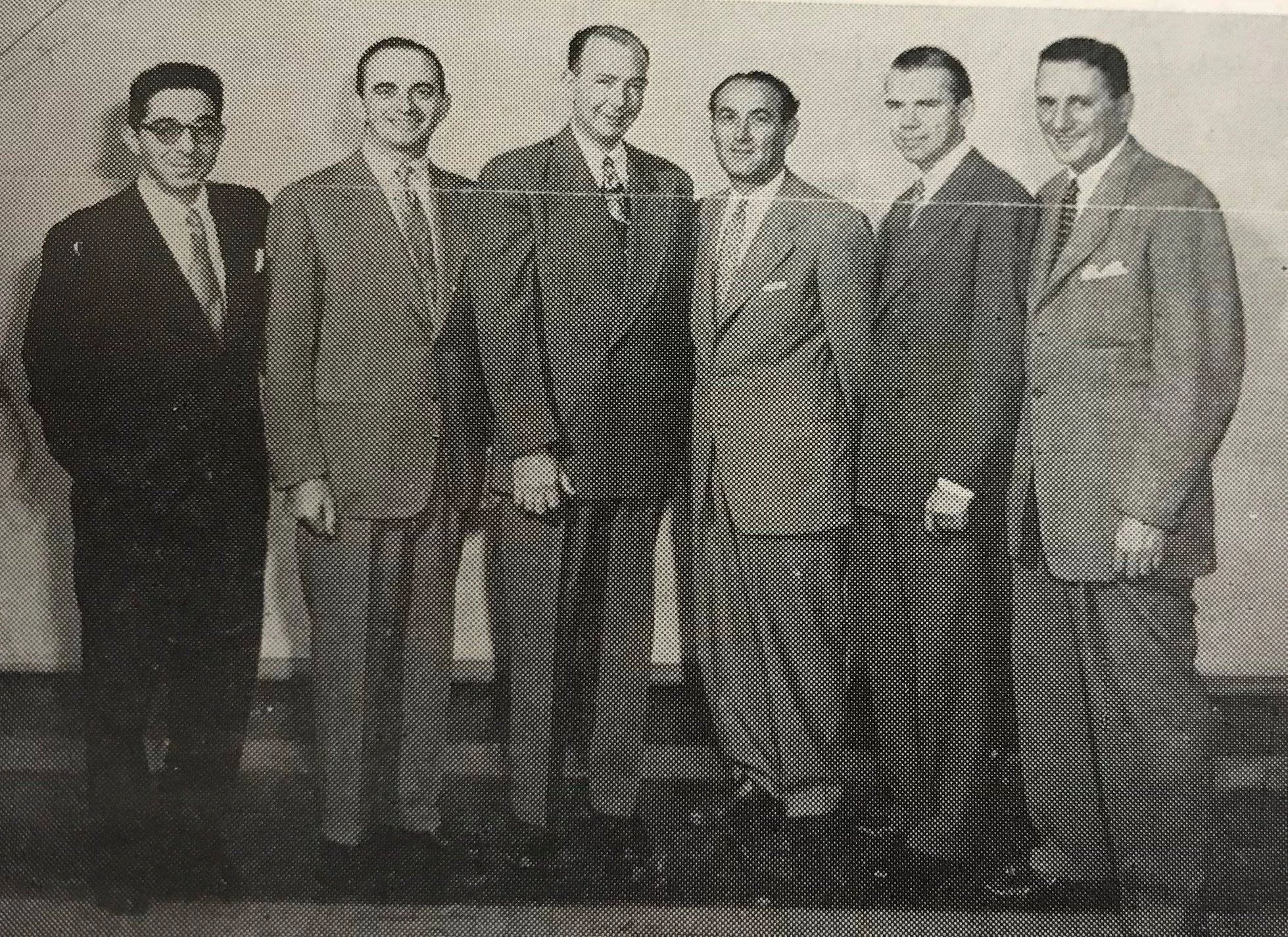
Key organizational developments include:
Founded in New York, now headquartered in Horn Lake, Mississippi, promoting bridge across America
Codified international play and established global standards for competitive bridge
A format where the same deals are played by multiple pairs, eliminating luck and emphasizing skill
World championships and tournaments bringing together players from across the globe
The Human Element: Bridge's Intractable Challenge
The game that Hoyle codified, that Vanderbilt revolutionized, and that Culbertson popularized remains fundamentally unchanged in its essentials. A partnership, 13 cards each, an auction, a contract, and the attempt to fulfill or defeat it. The simplicity of the framework belies the depth within.
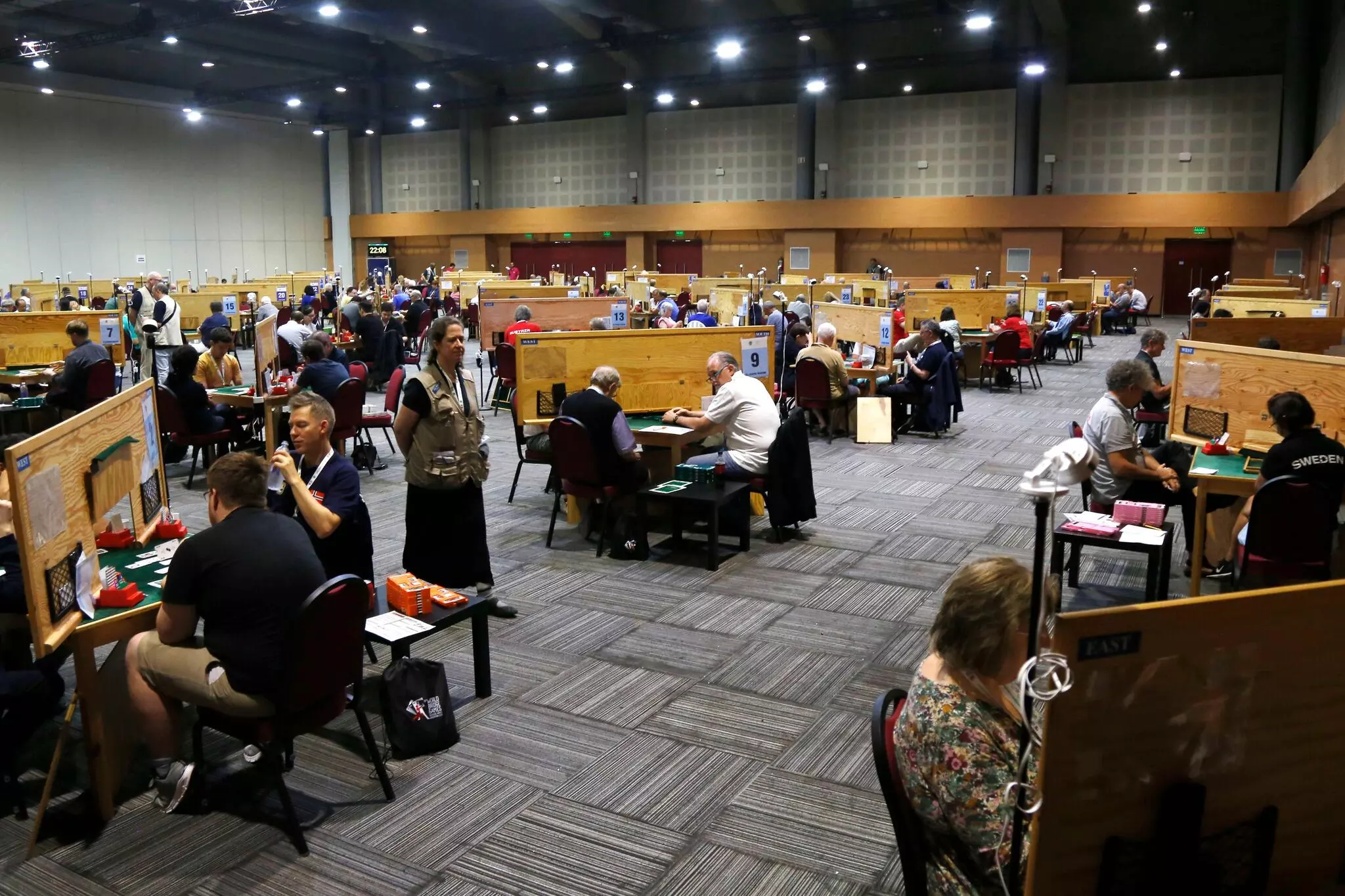
In an age where artificial intelligence can master chess and Go, bridge presents a more intractable challenge—not because the game is mathematically complex, but because it combines imperfect information, partnership communication, and psychological warfare in ways that resist pure computational approaches. The human element remains irreplaceable.
Imperfect Information
Players must make decisions without complete knowledge of all cards
Partnership Communication
The delicate art of conveying information through bidding and play
Psychological Warfare
Reading opponents and understanding their strategies and tells
Memory
Remembering cards played and bidding sequences
Logic and Deduction
Inferring opponents' cards from their plays and bids
Strategic Thinking
Planning multiple moves ahead while adapting to new information
Bridge's Refusal to Fade Away
Yet bridge's greatest achievement may be its stubborn refusal to fade away. In 1995, the Canadian Bridge Federation became the first national organization to establish a web presence, navigating the grey backgrounds and limited graphics of the early internet.
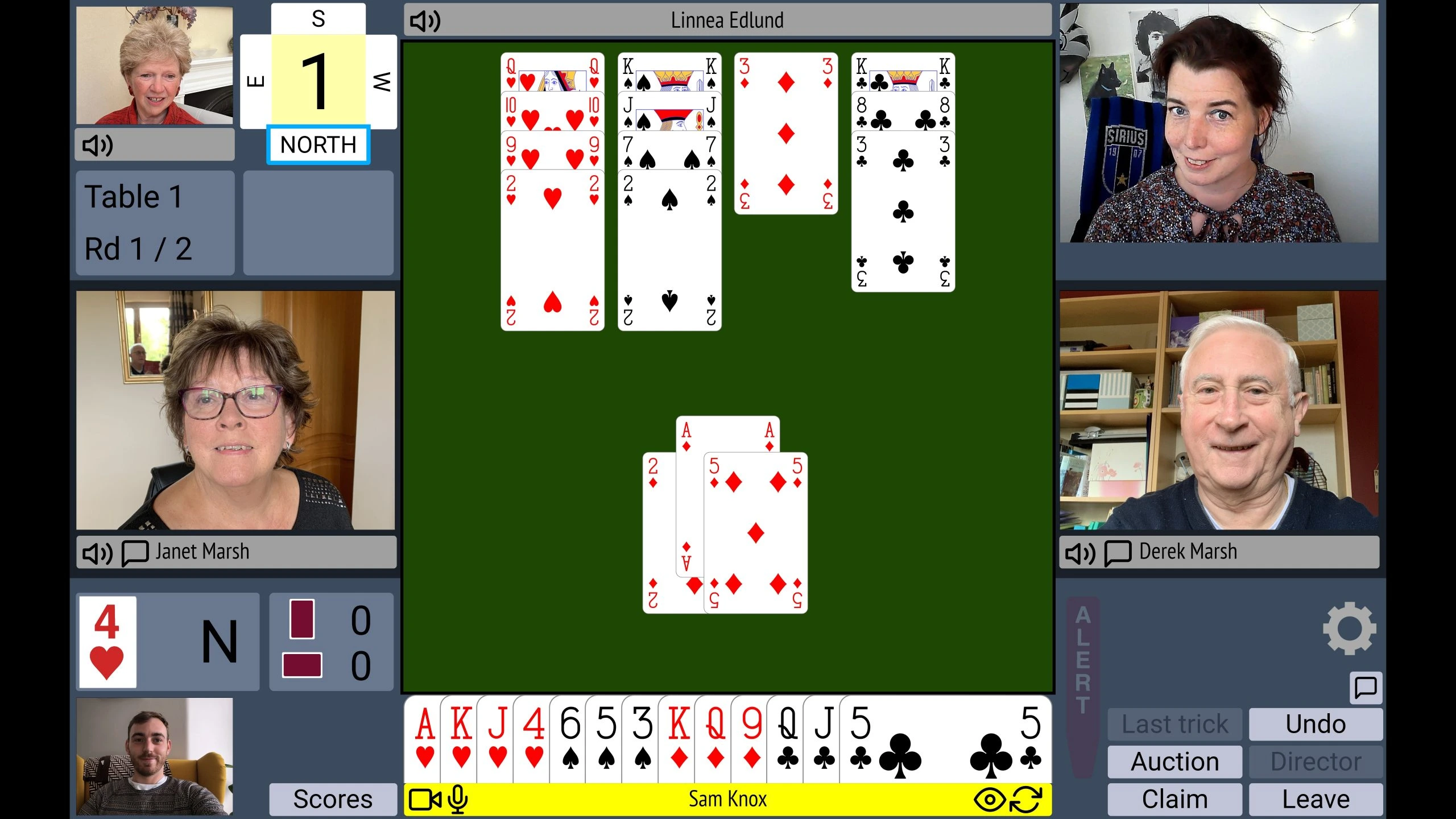
Today, players connect across continents, partnerships form digitally, and the game that once required four people around a physical table now thrives in virtual space.
Why Bridge Endures
Critics might argue bridge belongs to another era, that its complexity and time investment make it impractical for modern life. They would be missing the point. Bridge endures precisely because it demands what our fragmented attention economy rarely asks of us:
- •Patience
- •Partnership
- •Strategic thinking that spans multiple moves
- •The ability to read not just cards but people
A Story of Enduring Challenge
Perhaps that's the real history of bridge: not a timeline of rule changes and organizational milestones, but a story about a game that has consistently asked more of its players than they initially expected to give—and found millions willing to accept the challenge. Three centuries after Hoyle put pen to paper, players still gather around tables, physical and virtual, shuffle cards, and bid.
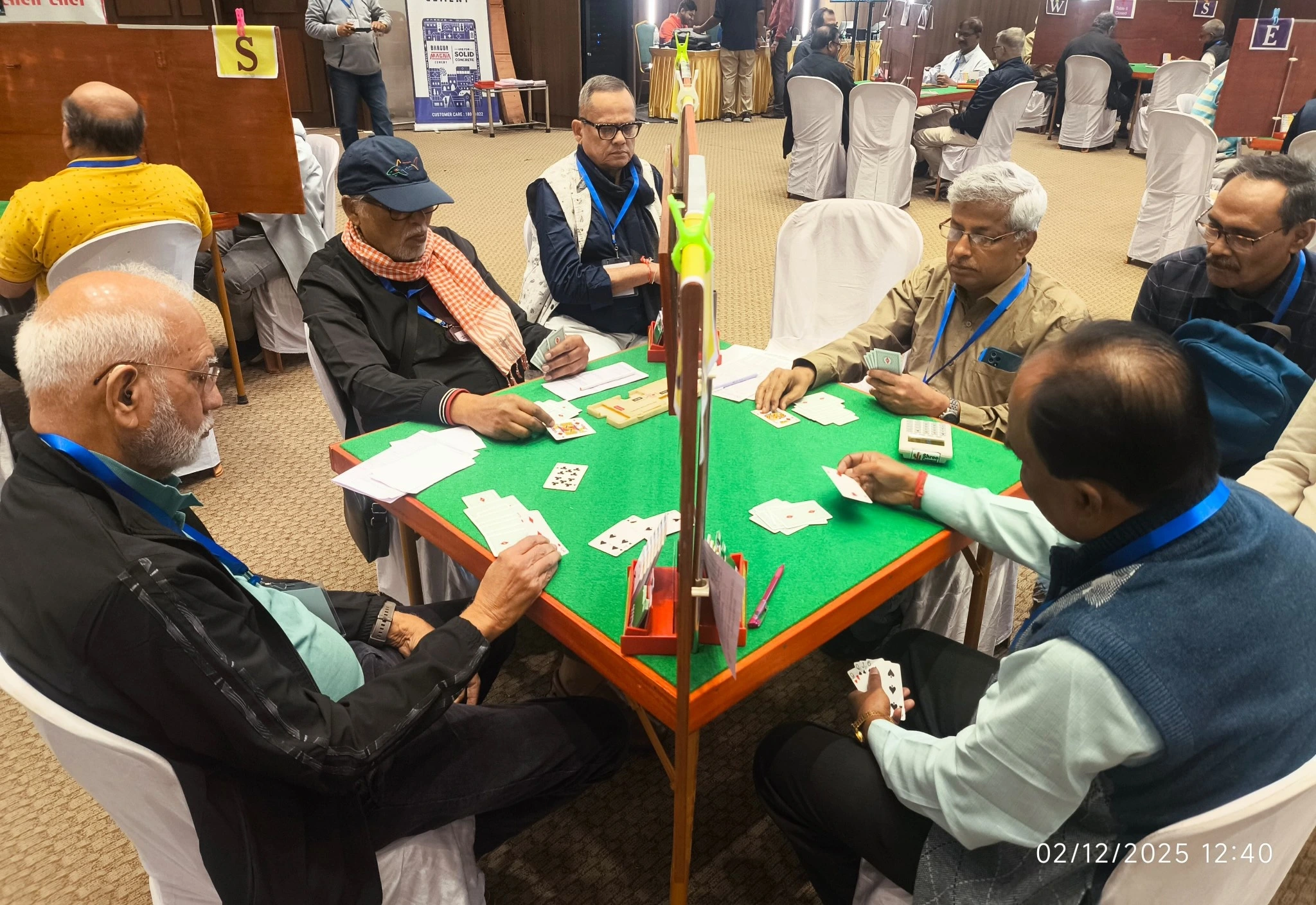
The game endures because the appetite for strategic depth, genuine partnership, and the satisfaction of a well-played hand has proven every bit as timeless as the cards themselves.
Key Milestones in Bridge History
Edmond Hoyle publishes "A Short Treatise on Whist"
Henry Jones Cavendish introduces duplicate bridge in London
First interclub match held in Philadelphia
Harold Stirling Vanderbilt invents contract bridge aboard the cruise ship Finland in October
The "Bridge Battle of the Century" - Ely Culbertson vs Sidney Lenz
American Contract Bridge League (ACBL) founded in New York
World Bridge Federation (WBF) founded, codifying international play
Canadian Bridge Federation becomes first national organization with web presence
Whether you call it whist, auction, duplicate, or contract, bridge remains what it has always been: a conversation conducted through cards, where the most eloquent speakers are those who understand when to declare boldly and when to pass in silence.