
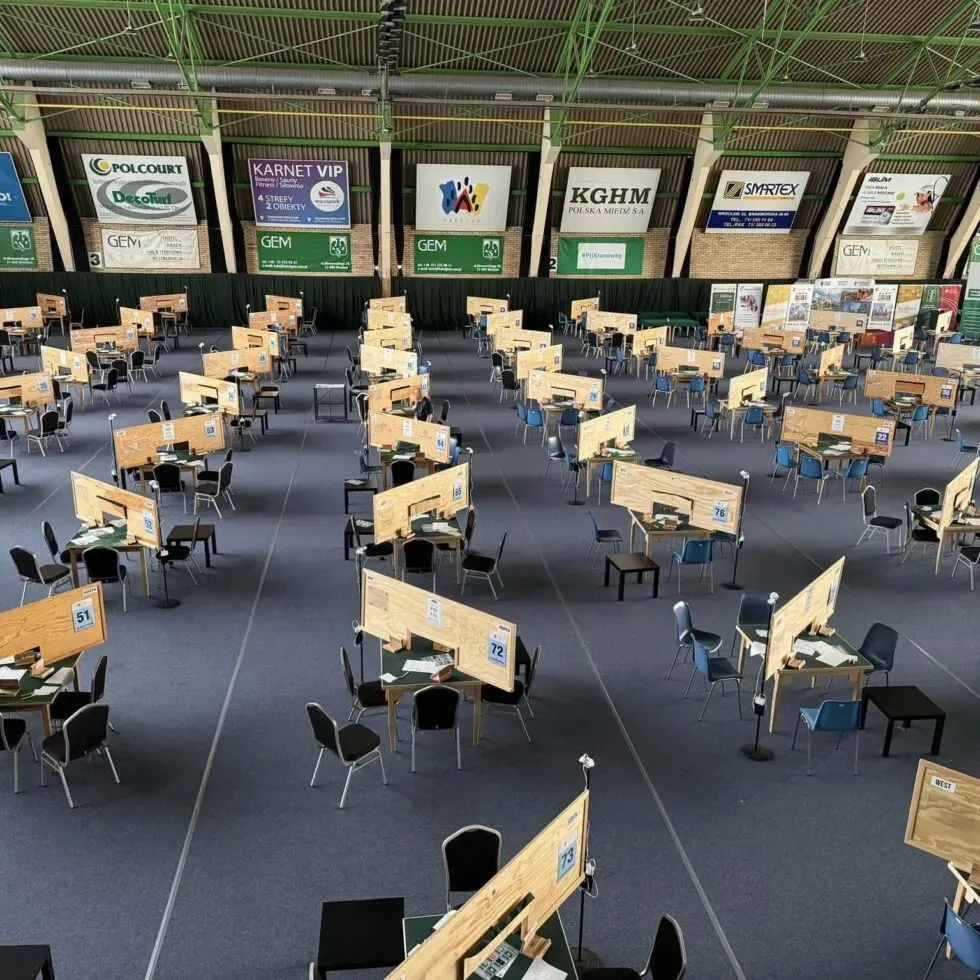
In the summer of 2026, the ancient city of Hefei will transform into the global epicenter of youth bridge excellence. The World Youth Transnational Championships, scheduled for August 3-8, 2026, represents more than just another international tournament. It stands as a testament to bridge's enduring capacity to unite young minds across borders in pursuit of intellectual competition at its finest.
The opening ceremony on August 2nd will mark the beginning of a week where strategic thinking, partnership dynamics, and mental endurance converge. For aspiring players from India and around the world, this championship offers a rare opportunity to measure their skills against the best young talents from every corner of the globe.
A Framework for Fair Competition
The tournament's age-based structure reflects a sophisticated understanding of competitive development in bridge. Rather than grouping all young players together, organizers have created four distinct categories, each designed to ensure fair and meaningful competition.
The Under-16 division welcomes players aged 15 or younger as of December 31, 2026, providing the youngest competitors with an environment where they can showcase emerging talent without facing opponents with significantly more experience. This category often reveals prodigies whose understanding of the game belies their years.
For the Under-21 cohort—those 20 or younger by year's end—the competition intensifies. Many in this bracket balance bridge with university studies or early career development, making their dedication to the game all the more remarkable. Their play often demonstrates a blend of youthful creativity and increasingly sophisticated technique.
The Under-26 category encompasses players at a crucial juncture. At 25 or younger, these competitors stand at the threshold between youth and senior competition. Their performances often hint at who might dominate international bridge in the coming decade. This division frequently produces the most technically accomplished play of the youth championships.
Finally, the Under-31 division—for those 30 or younger—captures players who have largely completed their bridge education but remain on the younger side of competitive demographics. Their maturity and experience create a compelling contrast with the raw talent of younger divisions.
The Significance of Hefei
China's selection as host nation carries considerable weight. The country has invested substantially in bridge development over the past two decades, producing world-class players and fostering a culture where intellectual games receive serious support. Hefei, the capital of Anhui Province, brings both modern infrastructure and cultural richness to the championship.
For participating nations, the location presents logistical considerations alongside competitive ones. Travel planning, acclimatization, and preparation must account for time zones, climate, and the specific conditions of international competition in China. These factors become part of the comprehensive preparation that distinguishes successful international campaigns from mere participation.
Preparing the Next Generation
For Indian bridge, championships like these serve multiple purposes. Most obviously, they provide competitive opportunities for the nation's most promising young players. But they also create benchmarks against which domestic development programs can be measured.
Success at the world youth level requires more than individual talent. It demands systematic preparation, effective coaching, psychological readiness, and the kind of partnership development that only comes through sustained practice and competition. Nations that consistently perform well at youth championships typically demonstrate strong infrastructure supporting player development across multiple levels.
The months leading up to August 2026 will see national federations worldwide identifying potential participants, organizing selection processes, and planning preparation camps. For India's Bridge Federation, the championship represents both an opportunity and a responsibility—to showcase the best of Indian youth bridge while gaining insights that can strengthen domestic programs.
Beyond the Competition
International youth championships serve purposes that transcend tournament results. They create networks of players who will shape bridge's future for decades to come. Friendships formed across national boundaries often endure throughout careers, fostering the international spirit that makes bridge a genuinely global game.
These events also expose young players to different styles and approaches. Asian bridge, European bridge, and American bridge each carry distinctive characteristics in bidding preferences, defensive strategies, and table presence. Encountering this diversity in competitive settings accelerates learning in ways that domestic competition alone cannot match.
For spectators and bridge enthusiasts, youth championships offer a glimpse into the game's future. The systems, techniques, and innovations that emerge from these tournaments often presage trends that will eventually permeate competitive bridge at all levels.
The Long View
As preparations begin for Hefei 2026, it's worth remembering that youth championships have launched the careers of many who later dominated senior international competition. Today's Under-16 champion may become tomorrow's world champion. The Under-26 competitor refining their game in Hefei might anchor their nation's open team a decade hence.
For now, the championship stands as an invitation and a challenge. Indian players within the age criteria have more than a year to prepare, to hone their skills, to strengthen partnerships, and to position themselves for selection. The opportunity to represent one's country at a world championship comes rarely and should be seized with appropriate seriousness and ambition.
The road to Hefei begins with dedication in daily practice, commitment in local competitions, and steady improvement measured across months and years. For those willing to undertake that journey, August 2026 promises competition, camaraderie, and the chance to test themselves against the world's best young players.